
Designing Inclusive Classrooms for Diverse Student Populations
In today’s educational landscape, diversity and inclusion have become increasingly important topics. As classrooms become more diverse, it is imperative for educators to create inclusive learning environments that cater to the needs of all students, regardless of their backgrounds. This is particularly crucial in designing classrooms for diverse student populations, as it ensures that every student has an equal opportunity to learn and succeed. In this article, we will discuss the importance of designing inclusive classrooms for diverse student populations and provide practical strategies for creating such environments.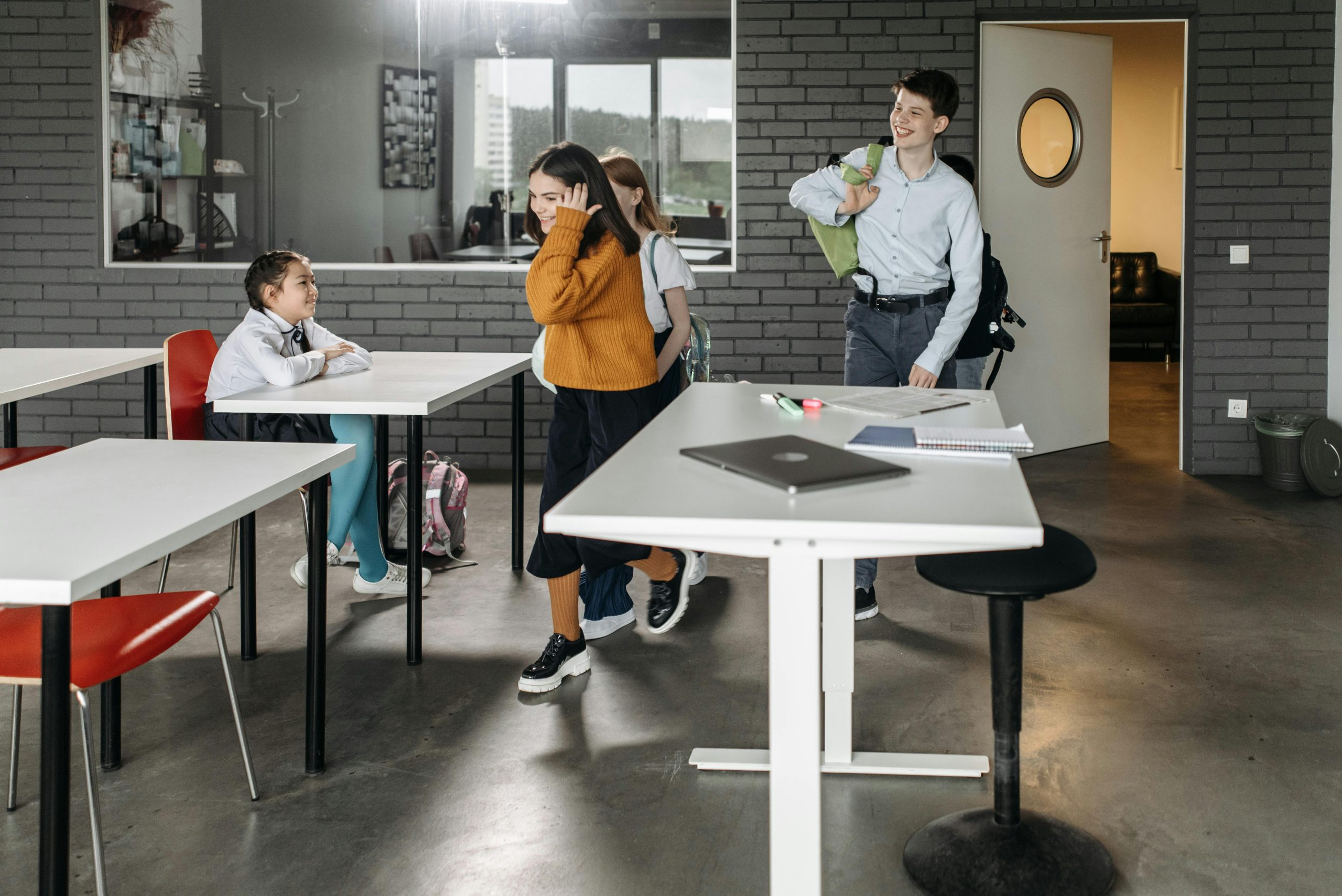
The Importance of Inclusivity in the Classroom
Creating a Sense of Belonging
Inclusive classrooms foster a sense of belonging among students. When students feel like they are part of a community, they are more likely to engage in learning and perform better academically. This is especially true for students from marginalized backgrounds, who often feel excluded or marginalized in traditional classrooms. By creating an inclusive environment, educators can ensure that all students feel valued and accepted, which can have a positive impact on their academic achievement.
Promoting Diversity and Cultural Awareness
Designing inclusive classrooms for diverse student populations also promotes diversity and cultural awareness. It allows students from different backgrounds to learn about and appreciate each other’s cultures, traditions, and experiences. By exposing students to diverse perspectives, educators can help them become more culturally competent individuals, equipped with the skills to thrive in a global society.
Fostering Creativity and Critical Thinking
Inclusive classrooms encourage students to think outside the box and approach problems from different angles. When students with diverse backgrounds and experiences come together, they bring diverse perspectives and ideas, allowing for more creativity and critical thinking in the classroom. This can lead to more engaging and enriching learning experiences for students, as they learn from each other and discover new ways of thinking.
Strategies for Designing Inclusive Classrooms
1. Incorporate Diverse Teaching Materials
One of the most effective ways to create an inclusive classroom is to incorporate diverse teaching materials. This could include books, videos, and other resources that showcase different cultures and perspectives. It is crucial to ensure that these materials are not just used as a token gesture, but are integrated into the curriculum in meaningful ways. This allows students to see themselves reflected in the learning materials and helps them feel represented and valued.
2. Encourage Collaboration and Discussion
Collaboration and discussion are essential in fostering inclusivity in the classroom. By encouraging students to work together and engage in discussions, educators can create an environment where all voices are heard and respected. This also allows students to learn from each other and gain a better understanding of different perspectives and experiences.
3. Provide Multiple Means of Representation
When designing inclusive classrooms, it is important to provide multiple means of representation to cater to different learning styles. This could include visual aids, hands-on activities, and technology-based learning. By diversifying the means of representation, educators can ensure that all students can access and engage with the material in a way that works best for them.
4. Create an Inclusive Classroom Culture
Inclusivity should not just be limited to the curriculum and teaching materials; it should also be ingrained in the classroom culture. Educators should strive to create a safe and welcoming environment where all students feel respected and valued. This can be achieved by addressing any instances of discrimination or prejudice and promoting open-mindedness and acceptance among students.
5. Provide Individualized Support
For students with diverse needs, individualized support is crucial in creating an inclusive classroom. It is essential to identify the unique needs of each student and provide accommodations and modifications to help them succeed. This could include extra time for assignments, alternative forms of assessment, or one-on-one support.
Conclusion
In conclusion, designing inclusive classrooms for diverse student populations is not just a moral responsibility; it is also essential for promoting academic success and preparing students for a diverse and globalized world. By incorporating diverse teaching materials, promoting collaboration and discussion, providing multiple means of representation, creating an inclusive classroom culture, and providing individualized support, educators can create learning environments that cater to the needs of all students and foster a sense of belonging, cultural awareness, and critical thinking. Let us work together to design inclusive classrooms and ensure that no student is left behind.